
Google Ads vs Meta Ads: Which Is Better for Small Business Growth?


Every small business owner eventually faces the same question: Where should I spend my advertising budget—Google Ads or Meta Ads?
Both platforms are powerful, both can generate excellent returns, and both play very different roles in the customer journey. Choosing the right one—or the right combination—can dramatically impact how quickly your business grows.
That’s why marketers, entrepreneurs, and creators constantly ask: “Google Ads vs Meta Ads: Which Is Better for Small Business Growth?”
The real answer is not about which platform is “better.” It is about when to use each platform, how customers behave on them, and how both can work together to drive predictable growth. This comprehensive guide explains the differences, strengths, costs, targeting capabilities, and ideal strategies to help small businesses make smarter advertising decisions.
Understanding the Core Difference: Intent vs Discovery
The most important difference between the platforms is user intent.
Google Ads: Capturing Existing Demand
Google Ads reach people who are already searching for a product or service. These users often have a clear need and are closer to making a purchase decision.
Examples:
“Best digital marketing agency near me”
“Buy office chairs online”
“Affordable tax consultant”
Because users actively search for solutions, conversion rates are often higher. This makes Google Ads highly effective for businesses that want immediate leads or sales.
Meta Ads: Creating Demand
Meta Ads (Facebook and Instagram) work differently. Instead of targeting searches, they show ads to users based on interests, demographics, and behaviors. These users may not be actively searching, but they can discover products that match their lifestyle or needs.
Examples:
A fashion brand promoting a new collection
A fitness coach advertising a transformation program
A café showcasing a new menu
Understanding this difference is essential when evaluating Google Ads vs Meta Ads: Which Is Better for Small Business Growth?
Platform Strengths at a Glance Google Ads vs Meta Ads: Which Is Better for Small Business Growth?
Google Ads Strengths
High purchase-intent traffic
Quick lead generation
Ideal for service-based businesses
Strong keyword-level targeting
Reliable conversion tracking
Excellent for local search visibility
Meta Ads Strengths
Advanced interest-based targeting
Powerful visual storytelling formats
Strong brand awareness capabilities
Effective retargeting tools
Lower CPC for awareness campaigns
Highly scalable for e-commerce brands
Recognizing these strengths helps clarify Google Ads vs Meta Ads: Which Is Better for Small Business Growth?

Cost Comparison: CPC vs Customer Acquisition Cost
Many businesses compare advertising platforms using cost per click (CPC), but the more important metric is cost per acquisition (CPA)—how much it costs to gain a customer.
Google Ads Cost Structure
Often higher CPC due to competitive keywords
Higher conversion rates because of purchase intent
Faster ROI for many service businesses
Example:A home repair service might pay ₹100 per click but convert leads worth several thousand rupees.
Meta Ads Cost Structure
Lower CPC in many industries
Requires strong creatives for effective conversions
Ideal for scaling once campaigns are optimized
Example:An apparel brand may pay ₹10 per click but must rely on strong visuals and offers to convert.
Therefore, when asking Google Ads vs Meta Ads: Which Is Better for Small Business Growth?, businesses should focus on profitability rather than click price.
Targeting Capabilities: Direct Intent vs Behavioral Insights
Google Ads Targeting
Keyword targeting
Location targeting
Device targeting
Remarketing audiences
Purchase-intent signals
Google Ads reveal what customers want right now.
Meta Ads Targeting
Interest-based targeting
Behavioral targeting
Lookalike audiences
Engagement retargeting
Demographic segmentation
Meta Ads help predict what customers may want next.
This difference plays a major role in the ongoing discussion around Google Ads vs Meta Ads: Which Is Better for Small Business Growth?
Best Use Cases for Each Platform
When Google Ads Works Best
Local service providers (consultants, dentists, repair services)
B2B lead generation
Software and SaaS businesses
Urgent problem-solving services
High-intent ecommerce purchases
When Meta Ads Work Best
Fashion, beauty, and lifestyle brands
Influencer-led businesses
Online courses and coaching programs
Event promotions
Product launches
Industry fit often determines the best answer to Google Ads vs Meta Ads: Which Is Better for Small Business Growth?
Real-World Example: Retail Business Strategy
Consider a new online furniture store launching its marketing campaigns.
Meta Ads Strategy
Lifestyle-based product images
Short-form video ads showcasing home setups
Interest-based targeting
Result: brand awareness and discovery.
Google Ads Strategy
Keywords such as “buy wooden dining table”
Shopping ads targeting purchase-ready customers
Result: higher conversion-focused traffic.
Together, these strategies provide a strong combined answer to Google Ads vs Meta Ads: Which Is Better for Small Business Growth?
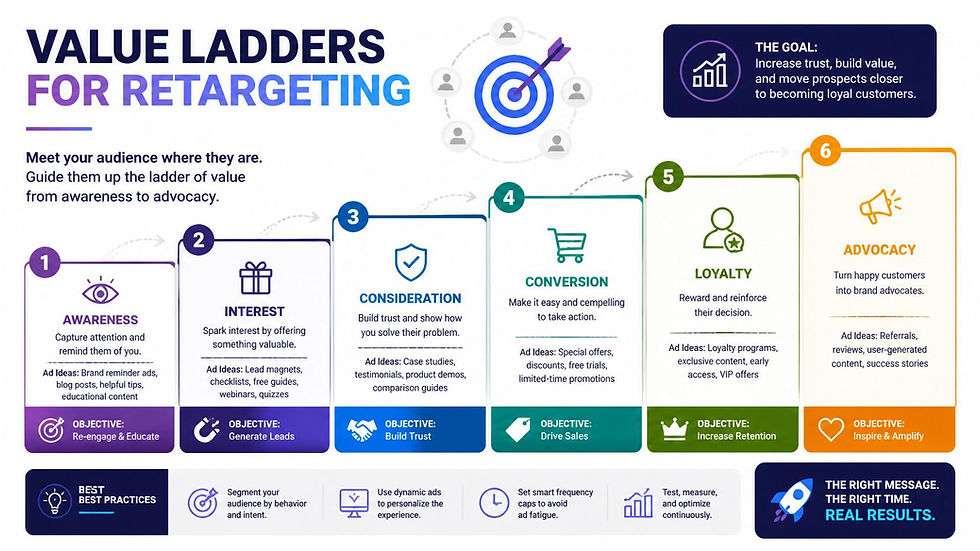
Funnel-Based Advertising Strategy
Advertising works best when aligned with the customer journey.
Top of Funnel (Awareness)
Meta Ads perform strongly by introducing brands to new audiences.
Middle of Funnel (Consideration)
Both platforms support retargeting campaigns effectively.
Bottom of Funnel (Conversion)
Google Ads often deliver better results due to strong search intent.
This funnel-based approach helps businesses move beyond the simple comparison of Google Ads vs Meta Ads: Which Is Better for Small Business Growth?
Creative Requirements: Messaging vs Visual Impact
Google Ads Creative Requirements
Strong headlines
Keyword-aligned messaging
Optimized landing pages
Clear offers
Meta Ads Creative Requirements
Engaging visuals and videos
Strong storytelling
Scroll-stopping hooks
Emotional appeal
Businesses often see weaker results on Meta Ads when creative quality is low, which significantly influences performance in Google Ads vs Meta Ads: Which Is Better for Small Business Growth?

Budget Allocation Strategy for Small Businesses
A practical allocation model:
Early Stage
70% Google Ads
30% Meta Ads
Growth Stage
50% Google Ads
50% Meta Ads
Scaling Stage
40% Google Ads
60% Meta Ads
This phased approach ensures businesses capture immediate demand while building long-term visibility—an effective strategy when evaluating Google Ads vs Meta Ads: Which Is Better for Small Business Growth?
Analytics and Measurement Differences
Google Ads Measurement
Keyword-level performance tracking
Accurate conversion data
Clear ROI measurement
Meta Ads Measurement
Engagement metrics
Creative performance insights
Assisted conversions across channels
Understanding these measurement differences helps businesses interpret results correctly in the Google Ads vs Meta Ads: Which Is Better for Small Business Growth? discussion.

Common Mistakes Small Businesses Make
Investing in only one platform permanently
Ignoring retargeting campaigns
Not optimizing landing pages
Stopping campaigns too early
Failing to test creatives regularly
Avoiding these mistakes significantly improves advertising performance regardless of Google Ads vs Meta Ads: Which Is Better for Small Business Growth?
Final Verdict: Which Platform Should You Choose?
Here is the strategic takeaway:
Need immediate leads → Start with Google Ads
Need brand visibility → Start with Meta Ads
Want scalable long-term growth → Use both together
In most cases, the best answer to Google Ads vs Meta Ads: Which Is Better for Small Business Growth? is not choosing one over the other but building an integrated system where both platforms support different stages of the customer journey.
If you want faster growth, start by mapping your marketing funnel, identifying awareness and conversion opportunities, and building a coordinated Google + Meta advertising strategy that delivers predictable customer acquisition and revenue growth.
FAQs
1. Which platform is better for beginners?
Google Ads often produce quicker initial results, while Meta Ads require creative testing but scale effectively once optimized.
2. Should small businesses use both platforms?
Yes. Using both platforms creates a full-funnel marketing system that improves overall performance.
3. Which platform is cheaper?
Meta Ads usually offer lower CPC, but Google Ads may produce lower cost per acquisition due to stronger purchase intent.
4. Which platform is better for ecommerce?
Meta Ads work well for discovery and scaling, while Google Shopping Ads capture high-intent buyers.
5. How much budget should a small business start with?
Begin with a testing budget, track conversion costs carefully, and gradually scale the campaigns delivering the best ROI.


Comments