
How to Win Google Shopping Ads in 2025: The Ultimate Guide for Smarter Selling


Remember when setting up a Google Shopping campaign meant uploading a spreadsheet and praying for clicks? Yeah—those days are over.
In 2025, Google Shopping Ads have leveled up. From AI-driven bidding to feed optimization powered by machine learning, winning the Google Shopping game today is part art, part data science, and part CRO wizardry.
Whether you're a digital marketer managing multiple accounts or a small business owner hustling your way through the DTC space, this post is your complete playbook on How to Win Google Shopping Ads in 2025.
Let’s break it down.
What Makes Google Shopping Ads So Powerful in 2025?
Unlike traditional search ads, Google Shopping Ads show product images, pricing, brand names, reviews, and more—making them visually dominant and conversion-friendly.
Here’s why they dominate the SERP real estate in 2025:
Google now blends organic listings with Shopping ads in multimodal search (text + image).
AI-based product match types reduce irrelevant clicks.
Performance Max Campaigns now include enhanced merchant feed targeting.
Bottom line? If you're in e-commerce, Google Shopping isn’t optional. It’s essential.
Step 1: Nail the Foundation — Feed Optimization Is King
What is a Product Feed?
Your product feed is the lifeblood of your Shopping ads. It's what tells Google what you're selling.
Key Attributes to Optimize:
Product Titles: Use high-intent keywords.Bad: "Stylish Dress"Good: "Red Cotton A-Line Midi Dress for Women – Size M"
Descriptions: Add benefits, not just specs.
Include features like material, fit, usage, and style.
Product Type + Google Product Category: Use Google's taxonomy correctly.
Image Quality: Use 1000x1000 px minimum, white background, and lifestyle shots for better CTR.
GTIN (Global Trade Item Number): Mandatory for most branded items.
Pro Tip:
Use tools like Feedonomics, DataFeedWatch, or Google Merchant Center AI suggestions to keep your feed squeaky clean and up to date.
Step 2: Use Smart Bidding, But Keep Your Brain On
In 2025, Google’s machine learning has gotten... well, smarter. But that doesn’t mean you “set and forget.”
Bidding Strategies to Win:
Maximize Conversion Value with ROAS Target (tROAS):Best for profit-focused brands with consistent margins.
Enhanced CPC (eCPC):A safe bet if you're just testing the waters.
Manual CPC (rare in 2025):Use only if you’re doing granular A/B testing.
Rule of Thumb:If your account has less than 30 conversions/month, avoid automated bidding.
Monitoring Tip:
Use Google Ads Experiments to A/B test bidding strategies without risking full budgets.

Step 3: Dominate Search Terms with Keyword Sculpting
Yes, Shopping ads are keyword-less—but your product titles and negative keywords drive visibility.
Do This:
Front-load titles with high-intent keywords:e.g., “Buy Vegan Leather Tote Bag – Large Travel Handbag for Women”
Add negatives across campaigns:Filter out unqualified terms like “free,” “DIY,” or “template.”
Use Custom Labels to group products by margin, seasonality, or inventory velocity.
Step 4: Structure Your Campaigns for Scale
Your account structure should align with your business goals. In 2025, consolidated structures with segmentation via custom labels win.
Popular Structures:
All Products + Smart Shopping (Performance Max)
Brand vs Non-Brand Campaigns
High-Margin vs Low-Margin Campaigns
Best-Sellers Campaign (Top 10 products)
Tip: Run Performance Max separately for branded queries and generic ones to maintain control and measure effectiveness.
Step 5: Leverage Performance Max Campaigns Intelligently
Love it or hate it, Performance Max (PMax) is here to stay—and it’s better in 2025.
How to Win with PMax:
Feed it with high-quality assets: Images, videos, product benefits, customer reviews.
Use Audience Signals: Feed Google data on your high-value customers.
Set value-based goals like tROAS or maximize conversion value.
Analyze insights using the Asset Group Report + Listing Groups.
Pro Tip:Use Customer Match Lists + remarketing audiences to guide PMax targeting for smarter ROAS.
Step 6: Optimize Landing Pages for CRO (Not Just Clicks)
Clicks without conversions? That’s burning cash.
CRO Best Practices:
Use mobile-first design (80%+ traffic in 2025 is mobile).
Include clear value propositions above the fold.
Add trust signals: reviews, badges, shipping info.
Enable guest checkout and multiple payment options (UPI, Pay Later, Wallets).
Test with tools like Google Optimize, VWO, or Hotjar.
Case Study:A D2C skincare brand saw a 27% increase in Shopping ROAS after switching to faster-loading landing pages with real UGC.

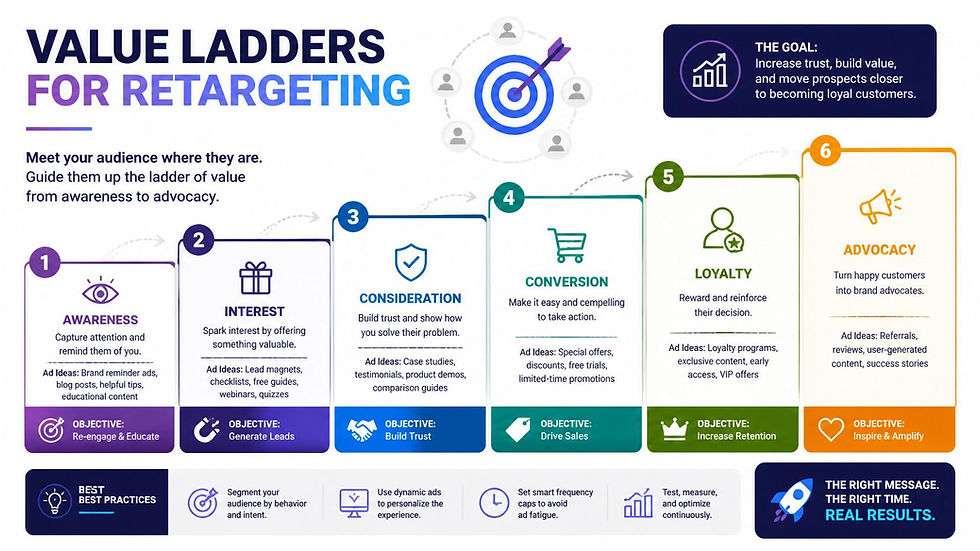
Step 7: Retarget Like a Pro
Don’t let window shoppers get away.
Use These Audiences:
Cart Abandoners
Product Viewers (30 days)
Repeat Buyers
High AOV Customers
Retargeting Formats:
Dynamic Remarketing Display Ads
Shopping Ads with Promo Extensions
YouTube Shorts via PMax
Add urgency with limited-time discounts or free shipping banners.
Step 8: Track, Analyze, Iterate
If you're not measuring, you're not marketing.
Tools You Need:
GA4 (Google Analytics 4)
Google Merchant Center Reports
Google Ads Insights
Profit Tracking Tools (e.g., Triple Whale, Northbeam)
Key Metrics to Watch:
ROAS
Impression Share (Lost due to Budget or Rank)
Click Share
Conversion Lag (Shopping journeys are multi-touch in 2025)
Tools to Supercharge Google Shopping Ads in 2025
Here’s your cheat sheet:
Tool | Purpose |
Feedonomics | Feed Optimization |
Google Merchant Center Next | Product Data Insights |
AdNabu | Shopping Ad Automation |
Simprosys | Shopify + Google Integration |
Clew | AI-based CRO & Ad Suggestions |
DataFeedWatch | Cross-platform Feed Management |
Real Example: Jewelry Brand That Won with Shopping Ads
Brand: Beget Fashion JewelryChallenge: High CPCs, low conversion rateFixes Implemented:
Feed overhaul with high-quality lifestyle images
Switched to tROAS bidding after collecting 50+ conversions
Set up separate PMax campaigns for bridal and festive collections
Optimized mobile checkout flow
Result:📈 48% increase in ROAS within 6 weeks📉 21% drop in bounce rate🛒 2.3x increase in add-to-cart rate
Final Checklist: How to Win Google Shopping Ads in 2025
Optimize your product feed weekly
Use tROAS or eCPC smart bidding
Structure campaigns based on product goals
Embrace Performance Max, but track asset-level results
Improve landing page speed and clarity
Retarget with dynamic product ads
Monitor GA4, click share, and attribution models
Ready to Win?
Now that you know How to Win Google Shopping Ads in 2025, it’s time to apply it.
Set up smarter feeds. Use automation wisely. Test ruthlessly. And remember: your Shopping success depends as much on your product page as it does on your ad.
Want help optimizing your Shopping campaigns? Let’s talk strategy. Reach out, comment below.
FAQ: How to Win Google Shopping Ads in 2025
Q1. Do I need a Shopify store to run Shopping Ads?No. Google Shopping Ads work with multiple platforms—Shopify, WooCommerce, Magento, and even custom sites—so long as you integrate a valid product feed.
Q2. How much budget should I allocate to Shopping Ads? Start with 20–30% of your paid ads budget, test performance, then scale what’s working. Shopping Ads often deliver higher ROAS compared to search.
Q3. Is Performance Max better than Smart Shopping? Yes, Smart Shopping has been sunsetted. Performance Max is the new default, offering wider reach but requiring better asset management.
Q4. How often should I update my product feed? Weekly is ideal. Regular updates prevent disapprovals, pricing mismatches, and inventory errors.
Q5. Can I run Shopping Ads without GTINs? Yes, but only for custom or private-label products. For branded products, GTINs are mandatory for eligibility.


Comments