
Mastering Social Media Strategy: A Step-by-Step Guide to Crafting a Winning Strategy


Social media is not just where you get social. It has evolved into an essential component of modern marketing. It offers businesses a powerful platform to connect with their audience, build brand awareness, and drive conversions. However, to truly succeed, you need more than sporadic posts posted in an inconsistent manner—you need a well-crafted social media strategy.
Mastering Social Media Strategy is a comprehensive guide, we'll break down everything you need to know to create a robust social media strategy that delivers results.
1. Why You Need a Social Media Strategy
A social media strategy is the blueprint for achieving your brand's online objectives. Without it, your efforts can be scattered, inconsistent, and ineffective. Here's why it's critical:
Consistency: Ensures regular posting and brand alignment.
Focus: Helps align efforts with broader business goals.
Optimization: Allows for performance tracking and improvement.
Efficiency: Saves time and resources by avoiding trial-and-error.
2. Steps to Building a Successful Social Media Strategy Mastering Social Media Strategy
Step 1: Define Your Goals
Start by outlining clear, measurable goals. These should align with your overall business objectives. Use the SMART framework—Specific, Measurable, Achievable, Relevant, and Time-bound.
Examples of Social Media Goals:
Increase brand awareness by growing followers by 20% in three months.
Drive 1,000 website visits from social media in the next month.
Generate 50 leads via a Facebook ad campaign in two weeks.
Pro Tip: Tie each goal to specific Key Performance Indicators (KPIs), such as engagement rates, click-through rates (CTR), or conversion rates.
Step 2: Understand Your Target Audience
Knowing your audience is essential for creating content that resonates. Conduct research to define your audience's demographics, preferences, and behaviors.
How to Understand Your Audience:
Use Analytics: Platforms like Facebook Insights, Instagram Insights, and Google Analytics provide valuable data.
Survey Your Audience: Ask questions directly via polls or questionnaires.
Create Buyer Personas: Define fictional profiles that represent your ideal customers, including their challenges and goals.
Example Buyer Persona:
Name: Emily, 28
Job: Marketing Manager
Goals: Improve productivity, learn marketing trends.
Pain Points: Lack of time, information overload.
Step 3: Research Your Competitors
Competitive analysis reveals what's working (or not working) for similar brands in your niche.
How to Conduct Competitor Research:
Identify top competitors in your industry.
Analyze their content: What formats, styles, and topics do they use?
Observe their engagement metrics: Likes, comments, shares.
Assess their posting frequency and platforms.
Tools for Competitor Analysis:
Social Blade
BuzzSumo
SEMrush
Step 4: Choose the Right Platforms
Each social media platform serves a different purpose and audience. Focus on the platforms that align with your business goals and audience preferences.
Popular Platforms and Their Strengths:
Facebook: Broad reach, ideal for building communities.
Instagram: Visual storytelling for younger audiences.
LinkedIn: B2B marketing and professional networking.
Twitter: Real-time updates and customer service.
TikTok: Viral content for Gen Z and millennials.
Pro Tip: It’s better to excel on a few platforms than to spread yourself too thin across all of them.
Step 5: Develop Content Themes and Formats
Your content should be a mix of value-driven and promotional material. Adopt the 80/20 rule: 80% of your posts should inform, educate, or entertain, while 20% can directly promote your products or services.
Content Themes:
Educational: Tutorials, how-to guides.
Inspirational: Customer success stories, motivational quotes.
Entertaining: Memes, relatable content.
Interactive: Polls, quizzes, and Q&A sessions.
Content Formats:
Text-based posts
Images
Videos (short-form and long-form)
Carousels/slideshows
Live streams
Pro Tip: Repurpose content to maximize its lifespan. For example, turn a blog post into an infographic or a video.

Step 6: Create a Content Calendar
A content calendar ensures consistency and helps you plan ahead.
Steps to Build a Content Calendar:
Choose a Tool: Use platforms like Trello, Notion, or social media schedulers (e.g., Buffer, Hootsuite).
Plan Post Frequency: Decide how often you'll post on each platform.
Map Out Themes and Dates: Align posts with key dates (e.g., holidays, product launches).
Schedule in Advance: Use scheduling tools to automate posting.
Example Weekly Content Plan for Instagram:
Monday: Motivational quote.
Wednesday: Carousel with tips.
Friday: Behind-the-scenes video.
Step 7: Engage and Interact with Your Audience
Social media isn’t just about broadcasting; it’s about building relationships.
Ways to Engage Your Audience:
Respond to comments and messages promptly.
Ask questions in your captions to encourage interaction.
Participate in trending topics (relevant to your brand).
Host live sessions or AMAs (Ask Me Anything).
Pro Tip: Personalize interactions. Address followers by their names and show appreciation for their support.
Step 8: Leverage Paid Social Media Ads
Organic reach is important, but paid advertising amplifies your efforts.
Types of Social Media Ads:
Boosted Posts: Increase visibility for high-performing posts.
Carousel Ads: Showcase multiple products or features.
Video Ads: Tell compelling stories visually.
Lead Ads: Collect contact information directly within the platform.
Ad Targeting Tips:
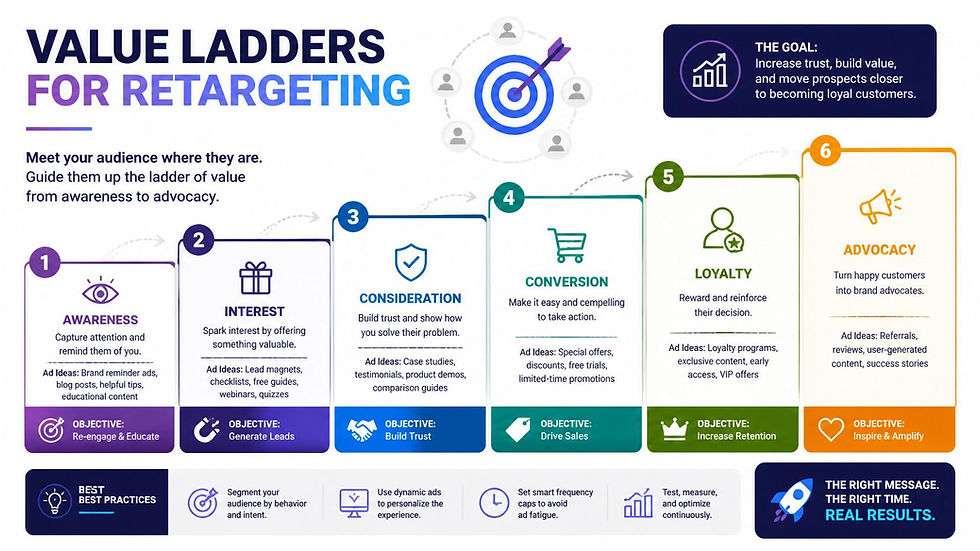
Use custom audiences to retarget website visitors or email subscribers.
Test multiple ad creatives to identify what resonates best.
Step 9: Analyze Performance Metrics
Consistent tracking and analysis are essential to determine what's working and what needs improvement.
Key Social Media Metrics:
Engagement Metrics: Likes, comments, shares, saves.
Reach Metrics: Impressions and audience growth.
Conversion Metrics: Website clicks, sign-ups, sales.
Tools for Social Media Analytics:
Platform-native analytics (e.g., Instagram Insights, Twitter Analytics).
Third-party tools like Google Analytics, Sprout Social.
Pro Tip: Create monthly reports to evaluate trends and adjust your strategy accordingly.
Step 10: Refine and Adjust Your Strategy
Social media trends and algorithms change frequently. Stay agile and ready to adapt.
How to Refine Your Strategy:
Analyze past campaign data to identify strengths and weaknesses.
Stay updated on platform changes and trends.
Experiment with new content formats or platforms.
Pro Tip: Regularly revisit your audience personas and goals to ensure they remain relevant.

Creating a social media strategy may seem daunting, but by following these steps, you can build a roadmap to success. A well-thought-out plan not only saves time but also maximizes your ROI by aligning your efforts with measurable outcomes.
Whether you're a small business owner, a freelancer, or part of a larger marketing team, remember that consistency, creativity, and adaptability are your strongest assets in the ever-changing world of social media.
Now, it’s time to put these tips into action and start building your winning social media strategy! if you need any help with your social media marketing.
Get in touch with us at: connect@digitaldreamworksstudio.com


Comments