
Using Social Media for E-commerce: The Ultimate Guide to Boosting Sales in 2025
- Sammy
- Feb 12, 2025
- 3 min read


Social media is no longer just a platform for social interactions; it has become a powerful sales channel for e-commerce businesses. With over 4.9 billion social media users worldwide, platforms like Facebook, Instagram, TikTok, and Pinterest offer immense opportunities to reach and convert customers.
If you’re an e-commerce business looking to leverage social media for growth, this guide will walk you through effective strategies, best practices, and real-world case studies to help you increase brand visibility, engage customers, and drive sales.
Why Social Media is Essential for E-commerce Success
Massive Audience Reach: Social media platforms provide access to a global audience.
Direct Engagement: Build relationships with potential customers through comments, DMs, and live sessions.
Cost-Effective Marketing: Organic and paid promotions offer high ROI.
Visual Appeal: Platforms like Instagram and Pinterest drive product discovery through high-quality visuals.
Influencer Marketing: Collaborate with influencers to increase credibility and brand exposure.
Top Social Media Platforms for E-commerce
1. Instagram
Best for fashion, beauty, home decor, and lifestyle brands
Features like Instagram Shops, Stories, Reels, and Shopping Tags enhance the shopping experience
Influencer collaborations and UGC (User-Generated Content) help build trust
2. Facebook
Largest social platform with 2.9 billion monthly users
Facebook Shops allows users to browse and buy products directly
Facebook Ads and Groups help businesses connect with niche audiences
3. TikTok
Best for Gen Z and millennial audiences
TikTok Shop and viral trends can skyrocket product sales
Short-form videos drive engagement and brand awareness
4. Pinterest
Best for product discovery (home decor, DIY, fashion, food, and wellness brands thrive)
Pinterest Shopping Pins enable seamless purchases
85% of users say Pinterest helps them decide what to buy
5. Twitter (X)
Best for real-time engagement and customer service
Twitter Threads and polls can spark discussions and brand loyalty
Promoted Tweets drive website traffic and conversions

How to Use Social Media to Grow Your E-commerce Business
1. Optimize Your Social Media Profiles
Use a high-quality profile picture (brand logo)
Write a compelling bio with a clear call-to-action (CTA)
Include a trackable link (e.g., Linktree for multiple links)
Ensure consistency in branding and messaging
2. Leverage Social Commerce Features
Instagram Shops & Facebook Shops for direct shopping
Pinterest Buyable Pins to drive instant purchases
TikTok Shop for seamless in-app transactions
3. Create High-Quality, Engaging Content
Product Showcase: Share HD images, 360-degree product views, and carousel posts
Behind-the-Scenes: Show the making of your products
User-Generated Content (UGC): Feature customer testimonials and reviews
Video Marketing: Use Instagram Reels, TikTok, and YouTube Shorts
4. Leverage Influencer Marketing
Partner with micro-influencers (10K–100K followers) for higher engagement
Use affiliate programs to encourage influencers to promote your products
Track performance using unique discount codes and affiliate links
5. Run Paid Advertising Campaigns
Use Facebook and Instagram Ads to target specific audiences
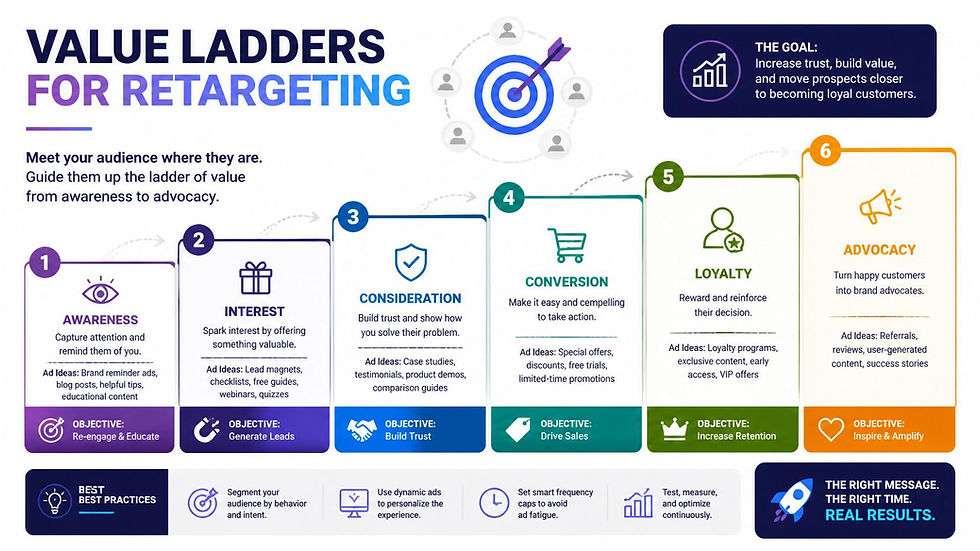
Retarget website visitors with dynamic ads
Run TikTok and Pinterest Ads for brand awareness
6. Engage with Your Audience
Reply to comments and messages promptly
Host Q&A sessions, live videos, and giveaways
Create polls, quizzes, and interactive stories to boost engagement
7. Use Analytics to Measure Success
Track conversion rates, engagement rates, and click-through rates
Use tools like Google Analytics, Facebook Insights, and Instagram Analytics
A/B test ads and content to see what works best
Case Studies: Brands Winning with Social Media E-commerce
1. Glossier – Leveraging UGC and Community Building
Encourages customers to share their experiences with the brand
90% of its revenue comes from loyal customers and social media engagement
2. Gymshark – Mastering TikTok Marketing
Uses viral fitness challenges and influencer partnerships to grow its audience
Generated millions in revenue through organic and paid social media efforts
3. MVMT Watches – Facebook and Instagram Ad Mastery
Scaled its brand through targeted Facebook and Instagram Ads
Generated over $100M in sales before being acquired

Future Trends: What’s Next for Social Media and E-commerce?
1. Live Shopping Events
Instagram, TikTok, and Facebook are expanding live commerce features
Brands are hosting interactive shopping experiences via live streams
2. AI-Powered Social Commerce
AI chatbots for customer support
Personalized product recommendations
3. Augmented Reality (AR) Shopping
Snapchat, Instagram, and Pinterest offer AR try-ons for beauty and fashion brands
AR increases customer confidence and reduces returns
4. Sustainability and Ethical Shopping
Consumers prefer brands that are eco-conscious and transparent
Social media is amplifying ethical shopping trends
Social media is a game-changer for e-commerce when leveraged strategically. By optimizing your profiles, creating engaging content, collaborating with influencers, and running targeted ads, you can drive traffic, increase conversions, and build a loyal customer base.
🔹 Ready to take your e-commerce brand to the next level? Start implementing these strategies today! Need help with your social media marketing get ini touch with us at


Comments