
Effective PPC Campaigns: A Step-by-Step Guide
- Sammy
- Jan 24, 2025
- 5 min read


Pay-Per-Click (PPC) advertising is one of the most effective digital marketing strategies for driving targeted traffic to your website. With the potential for high returns on investment (ROI), PPC allows businesses to reach their target audience through precise targeting and measurable results. In Effective PPC Campaigns a comprehensive guide, we’ll dive deep into what PPC is, its benefits, and how to create effective PPC campaigns that deliver results.
What is PPC?
PPC stands for Pay-Per-Click, a model of internet marketing where advertisers pay a fee each time one of their ads is clicked. Essentially, it’s a way of buying visits to your site rather than earning them organically. Search engines like Google and Bing, as well as social media platforms like Facebook, Instagram, and LinkedIn, offer PPC advertising options.
How PPC Works
PPC operates on an auction-based system. When a user searches for a keyword or phrase, advertisers bid on those keywords to display their ads. The placement of the ads depends on a combination of factors such as bid amount, ad quality, and relevance to the user’s search query.
For example, in Google Ads:
Keyword Selection: Advertisers choose keywords relevant to their products or services.
Ad Auction: Google evaluates all eligible ads for the keyword using its Ad Rank formula.
Ad Placement: Ads with higher Ad Rank scores are placed in more prominent positions on the search results page.
Key PPC Platforms
Google Ads: The largest PPC platform, offering search, display, shopping, and video ad options.
Microsoft Advertising: Targets users on Bing and other associated networks.
Facebook Ads: Focuses on highly targeted ads using user demographics and behavior.
Instagram Ads: Ideal for visually engaging campaigns.
LinkedIn Ads: Effective for B2B campaigns targeting professionals.
Benefits of PPC Advertising
Immediate Results: Unlike SEO, PPC can drive traffic instantly after launching a campaign.
Precise Targeting: Reach specific audiences based on demographics, location, device, and more.
Measurable ROI: Detailed analytics help track every aspect of your campaign.
Budget Control: Set daily and monthly budgets to control spending.
A/B Testing: Test different ad creatives, headlines, and keywords to optimize performance.
How to Create Effective PPC Campaigns
Step 1: Define Clear Goals
Every successful PPC campaign starts with clearly defined objectives. Ask yourself:
What do I want to achieve? (e.g., brand awareness, lead generation, sales, or app installs)
Who is my target audience?
What is my budget?
Your goals should be SMART: Specific, Measurable, Achievable, Relevant, and Time-bound.
Example Goal: Generate 500 leads in 30 days with a $5,000 budget.
Step 2: Conduct Keyword Research
Keywords are the foundation of any PPC campaign. Use tools like Google Keyword Planner, SEMrush, or Ahrefs to find high-performing keywords relevant to your business.
Tips for Effective Keyword Research:
Focus on Long-Tail Keywords: These are less competitive and often have higher conversion rates.
Example: Instead of “shoes,” target “buy running shoes online.”
Analyze Competitor Keywords: Identify what your competitors are targeting and find gaps to exploit.
Group Keywords into Themes: Organize keywords into tightly related groups for better ad relevance.
Step 3: Create Compelling Ad Copy
Your ad copy needs to grab attention and drive clicks. Follow these best practices:
Headline: Use action-oriented language and include your primary keyword.
Example: “Shop Running Shoes - Free Shipping Today!”
Description: Highlight unique selling points (USPs) like discounts, free trials, or benefits.
Example: “Comfortable, lightweight running shoes. Save 20% today!”
Call-to-Action (CTA): Guide users on what to do next.
Examples: “Shop Now,” “Get Started,” or “Claim Your Discount.”
Pro Tip:
Use emotional triggers and urgency to encourage clicks:
Emotional: “Feel confident with our stylish collection.”
Urgency: “Limited stock available—order now!”
Step 4: Design Landing Pages
The landing page is where users land after clicking your ad. A poorly designed landing page can lead to wasted ad spend.
Best Practices for Landing Pages:
Relevance: Ensure the landing page aligns with the ad copy and keywords.
Example: If your ad promotes a discount, show the discount prominently on the landing page.
Simplicity: Avoid clutter. Focus on a single goal, such as form submission or purchase.
Mobile Optimization: Ensure fast loading speeds and responsiveness on mobile devices.
Trust Signals: Include testimonials, reviews, and security badges.

Step 5: Set Up Campaigns and Ad Groups
Organize your campaign into ad groups based on keyword themes. For example:
Campaign: Running Shoes
Ad Group 1: Men’s Running Shoes
Ad Group 2: Women’s Running Shoes
Ad Group 3: Trail Running Shoes
Each ad group should contain tightly related keywords and ads tailored to that group.
Step 6: Optimize Bidding Strategies
PPC platforms offer various bidding options:
Manual CPC: Control the maximum cost per click.
Enhanced CPC: Automatically adjusts bids to maximize conversions.
Target ROAS: Sets bids to achieve a specific return on ad spend.
Maximize Conversions: Uses machine learning to generate the most conversions within your budget.
Choose a bidding strategy based on your campaign goals and experience level.
Step 7: Implement Ad Extensions
Ad extensions enhance your ads by providing additional information, increasing visibility, and improving CTR.
Common ad extensions include:
Sitelink Extensions: Link to specific pages on your site.
Call Extensions: Add a phone number for direct contact.
Location Extensions: Show your business address.
Promotion Extensions: Highlight sales or special offers.
Step 8: Monitor and Optimize Campaigns
Regular monitoring and optimization are crucial for long-term success.
Key Metrics to Track:
CTR (Click-Through Rate): Indicates how compelling your ads are.
Quality Score: A Google Ads metric that measures ad relevance, landing page experience, and CTR.
Conversion Rate: Percentage of users who complete the desired action.
Cost Per Conversion: Total cost divided by the number of conversions.
Optimization Tips:
A/B Test Ads: Experiment with headlines, descriptions, and CTAs.
Pause Low-Performing Keywords: Reallocate budget to high-performing ones.
Refine Audience Targeting: Use insights to exclude irrelevant audiences.
Adjust Bids: Increase bids for top-performing keywords or devices.
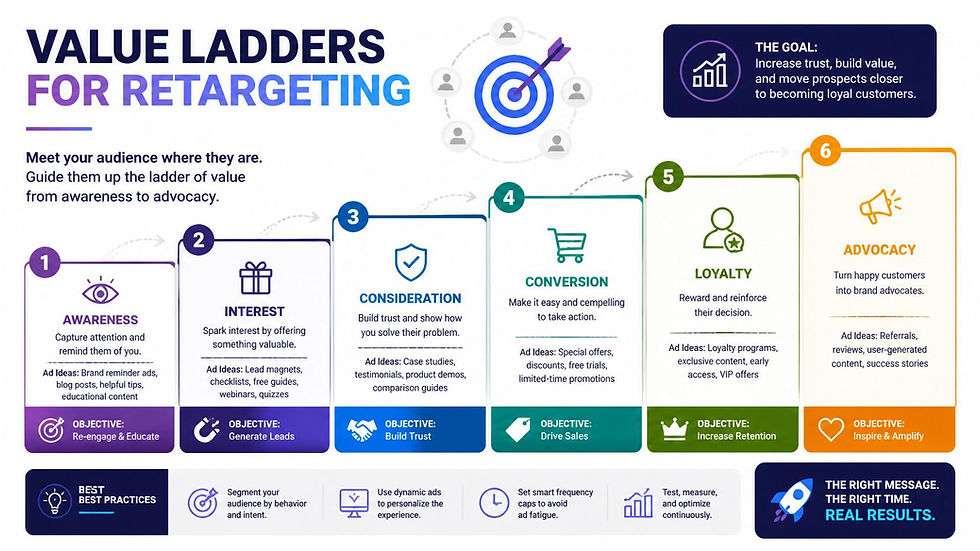
Step 9: Utilize Remarketing
Remarketing targets users who have interacted with your site but didn’t convert. This strategy keeps your brand top-of-mind and encourages them to return.
Example:
Show a discount ad to users who added items to their cart but didn’t complete the purchase.
Step 10: Analyze and Report Results
Consistent analysis ensures you’re meeting your goals and identifying areas for improvement.
Tools for Analysis:
Google Analytics: Track user behavior and conversion paths.
PPC Platform Analytics: Use built-in tools like Google Ads Manager.
Third-Party Tools: SEMrush, SpyFu, or HubSpot for in-depth analysis.
Create detailed reports highlighting:
ROI
Top-performing campaigns and keywords
Areas needing improvement

PPC advertising is a powerful tool for businesses of all sizes. By understanding the fundamentals and following a step-by-step approach, you can create highly effective campaigns that drive traffic, generate leads, and boost sales. Remember, success in PPC requires ongoing optimization, creativity, and a data-driven mindset. Whether you’re a beginner or a seasoned marketer, the strategies outlined in this guide will help you maximize your PPC performance and achieve your business goals.
Ready to supercharge your PPC campaigns and drive real results? Start implementing these strategies today and watch your ROI soar! Need expert guidance? Contact us now to take your PPC game to the next level!"
Get in touch with us at connect@digitaldreamworksstudio.com


Comments