
Mastering LinkedIn for B2B Marketing: Proven Strategies to Drive Leads and Build Authority
- Sammy
- Oct 1, 2024
- 6 min read


In today's digital-first world, with so many social networking platforms around LinkedIn has emerged as a powerful platform for B2B (Business-to-Business) marketing. With over 950 million users as of 2024, LinkedIn offers a unique space where businesses and professionals connect, network, and collaborate. Unlike other social platforms, LinkedIn is purpose-built for professional engagement, making it an ideal channel for B2B marketers to target decision-makers and establish brand authority and making it important for us the Mastering LinkedIn for B2B Marketing.
In this detailed guide, we’ll explore how you can leverage LinkedIn for B2B marketing, strategies to generate leads, and actionable tips for optimizing your company’s presence. Whether you’re just starting out or looking to refine your LinkedIn strategy, this post covers everything you need to know.

1. The Importance of LinkedIn for B2B Marketing
LinkedIn is distinct from platforms like Facebook or Instagram, where the focus is primarily social and personal. Instead, LinkedIn centers around professional growth and development, making it a key player in the B2B marketing landscape. Here’s why Mastering LinkedIn for B2B Marketing should be part of your digital marketing strategy.
a) Direct Access to Decision-Makers
LinkedIn is known for its user base of business professionals, executives, and decision-makers. In fact, over 80% of B2B leads sourced through social media come from LinkedIn. This makes it a perfect platform for B2B companies to reach out to key influencers, C-suite executives, and other stakeholders.
b) Trust and Credibility
Content on LinkedIn is consumed with more trust compared to other social media platforms. Users on LinkedIn are typically there for career advancement, learning, or professional networking. As a result, B2B companies can establish authority by consistently sharing industry insights, case studies, and educational content, increasing their credibility.
c) Precision Targeting
LinkedIn's advanced targeting options allow you to reach your ideal customer with precision. Whether you want to target users based on job title, industry, location, or even specific companies, LinkedIn offers granular targeting that ensures your content reaches the right audience suited for your brand.
2. Creating a Strong LinkedIn Company Profile
Your company profile on LinkedIn is the first impression potential clients, partners, and employees will have of your brand. It's not just a digital placeholder; it's a reflection of your company's values, mission, and expertise.
a) Optimize Your Profile Picture and Banner
Your company logo should be clearly visible as the profile picture. For the banner, use a professional and engaging design that aligns with your brand's values. Consider using it to promote an upcoming product launch, showcase your team, or highlight an award your company has won.
b) Write a Compelling "About" Section
This is where you introduce your company, but keep in mind that this isn't just about you—it's about what you can do for your clients. Focus on value propositions and clearly communicate your industry expertise, the services or products you offer, and what makes your company stand out.
Use bullet points for readability.
Incorporate keywords relevant to your industry to optimize for LinkedIn’s search algorithm.
Include a call to action (CTA) like, “Visit our website for more details” or “Connect with us to discuss how we can help your business grow.”
c) Showcase Services and Products
LinkedIn allows businesses to highlight their products and services directly on their profile page. Make sure to fill out this section and provide concise descriptions of what you offer. You can also include media like videos, presentations, and brochures to offer more in-depth insights.
d) Regular Updates and Activity
A static profile won’t attract or engage users. Regularly update your company profile with new posts, job listings, and industry news. The more active you are, the more visibility your profile will gain, helping you attract prospects and leads.
3. LinkedIn Content Strategy for B2B Success
Your LinkedIn content strategy is critical to building relationships, fostering engagement, and ultimately converting leads. Here’s how to build an effective content plan:
a) Types of Content to Post
Industry Insights: Share your knowledge about industry trends, upcoming challenges, or shifts in the market. This establishes you as a thought leader in your field.
Case Studies and Success Stories: Showcasing real-world examples of how your product or service helped a client can be powerful in B2B marketing. Decision-makers are more likely to engage with you if they see proven results.
Whitepapers and eBooks: Offer in-depth resources that provide value. These long-form content pieces can capture leads through gated content, where users must provide contact information to access them.
Employee Spotlights: Humanize your brand by sharing stories about your team. This can improve your company culture, increase engagement, and showcase the talent that makes your business successful.
b) Frequency and Timing of Posts
Consistency is key on LinkedIn. Aim to post around 3-5 times per week, ensuring your content remains fresh and visible. Studies have shown that Tuesdays, Wednesdays, and Thursdays are optimal days for B2B content, with the best times being between 8 a.m. and 10 a.m.
c) Use of Hashtags
Incorporating relevant hashtags into your posts helps increase their visibility. LinkedIn allows up to 5 hashtags per post, so choose wisely. Use industry-specific hashtags, and consider creating a branded hashtag to encourage user-generated content.
d) Video Content
Video content tends to generate higher engagement on LinkedIn. Post interviews, explainer videos, or behind-the-scenes footage. According to LinkedIn, posts with videos are 5 times more likely to spark a conversation among users.
4. Leveraging LinkedIn Ads for B2B Marketing
While organic reach is valuable, LinkedIn Ads can help accelerate your efforts by targeting specific audiences more precisely.
a) Types of LinkedIn Ads
Sponsored Content: These ads appear in users’ feeds like regular posts but are paid promotions. You can sponsor content that has performed well organically to reach a larger audience.
Text Ads: Simple, pay-per-click ads that appear on the right-hand side of LinkedIn’s desktop interface. These are ideal for driving traffic to your website or landing page.
Sponsored InMail: Deliver personalized messages directly to users’ inboxes. This is an effective way to nurture leads and move them through the sales funnel.
Dynamic Ads: Personalized ads that use the LinkedIn member’s profile details to create more customized and attention-grabbing campaigns.
b) Targeting Options
LinkedIn Ads allows for advanced targeting options, which are particularly beneficial for B2B marketers. You can target based on:
Job title
Industry
Company size
Seniority level
Skills
Geographic location
c) Retargeting and Lookalike Audiences
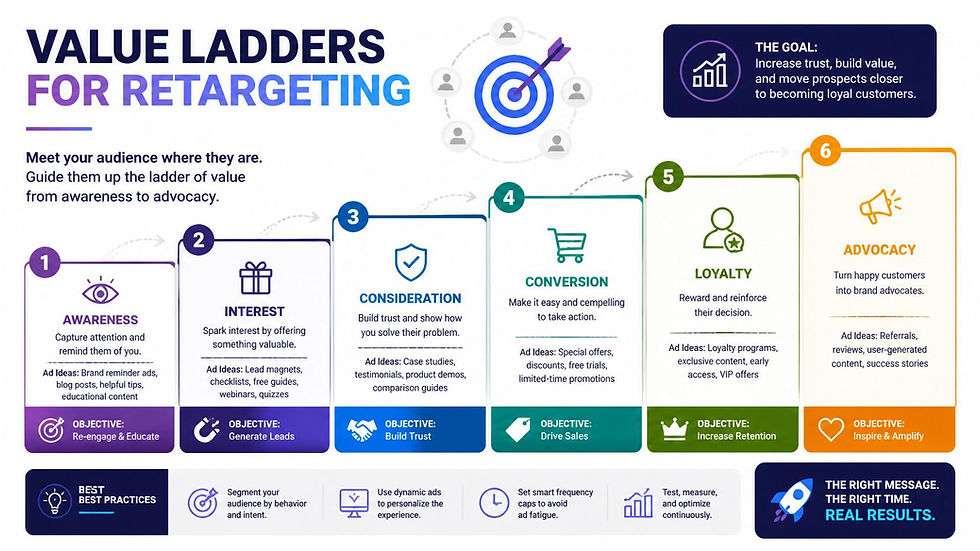
Retargeting campaigns allow you to reach users who have interacted with your content but haven’t converted. LinkedIn also enables marketers to create lookalike audiences based on existing customers, helping you find similar potential clients.
5. Utilizing LinkedIn Groups and Communities
LinkedIn Groups provide a space where professionals with similar interests can connect, share ideas, and collaborate. Participating in these groups is a great way to demonstrate expertise and establish connections with potential clients.
a) Join Relevant Industry Groups
Look for active groups within your industry. Once you join, engage regularly by commenting on discussions, sharing insights, and providing value to other members.
b) Create Your Own LinkedIn Group
If no relevant group exists, consider creating one. Position your company as a thought leader by hosting discussions, sharing exclusive content, and organizing webinars or events for group members.
6. LinkedIn Analytics: Measuring and Optimizing Performance
Tracking the effectiveness of your LinkedIn marketing efforts is essential to optimizing your strategy. LinkedIn offers built-in analytics tools to help you measure performance.
a) Metrics to Monitor
Impressions: The number of times your content appears in a user’s feed.
Engagement Rate: This includes likes, comments, shares, and clicks on your content. Higher engagement means your content resonates with your audience.
Follower Demographics: Understand who’s following your company. LinkedIn provides detailed information on their job titles, industries, and locations.
Conversion Tracking: Use LinkedIn’s tracking tool to measure how effective your ads are in driving conversions, such as lead generation or downloads.
b) Optimize Based on Insights
Regularly review your analytics to identify what’s working and what’s not. Adjust your content strategy, posting frequency, and ad targeting to improve performance.
7. Real-World Case Studies: B2B Success Stories
To illustrate LinkedIn’s potential, here are a couple of real-world examples of B2B companies that have successfully used the platform for marketing:
a) Hootsuite
Hootsuite, a social media management platform, used LinkedIn Sponsored Content to drive brand awareness and generate leads. Their campaign targeted key decision-makers and C-suite executives in their industry. Through LinkedIn’s precise targeting, Hootsuite saw a 30% increase in conversions and a significant boost in brand engagement.
b) Cisco
Cisco has successfully used LinkedIn to target IT professionals and decision-makers through video content and dynamic ads. Their campaign focused on educating their audience about cybersecurity solutions, generating thousands of leads and significantly boosting their pipeline.

LinkedIn has evolved into a critical platform for B2B marketing, offering unparalleled opportunities to connect with decision-makers, establish authority, and generate leads. By optimizing your company profile, creating high-quality content, leveraging LinkedIn Ads, and utilizing groups, you can effectively position your brand in the B2B landscape.
Remember, the key to success on LinkedIn is consistency and authenticity. Engage with your audience, provide value through insightful content, and monitor your performance to continually evolve your strategy
Start leveraging LinkedIn today, and watch your B2B marketing efforts reach new heights. if you need help with your LinkedIn account handling for your business or you want to advertise on LinkedIn to reach your business audience, get in touch with us at


Comments