
The Ultimate Guide to Avoiding Common PPC Blunders
- Sammy
- Nov 25, 2024
- 5 min read


In the ever-changing digital advertising landscape, Pay-Per-Click (PPC) campaigns remain one of the most powerful tools for driving targeted traffic and generating leads. However, even experienced marketers often fall into common traps that can derail their campaigns. This guide outlines the most frequent PPC mistakes and provides actionable strategies to avoid them.
1. Neglecting Keyword Research
The Mistake: Using broad or irrelevant keywords without thorough research.
Why It Matters: Keywords determine who sees your ad. Poorly chosen keywords attract the wrong audience, leading to wasted ad spend and low ROI.
How to Avoid It:
Leverage tools like Google Keyword Planner, SEMRush, or Ahrefs to identify high-performing, relevant keywords.
Focus on long-tail keywords for more targeted traffic.
Regularly update and refine your keyword list based on campaign performance.
2. Overlooking Negative Keywords
The Mistake: Failing to use negative keywords to filter out unqualified traffic.
Why It Matters: Without negative keywords, your ads may appear in irrelevant searches, inflating costs without driving results.
How to Avoid It:
Analyze search terms reports to identify irrelevant keywords.
Continuously build a robust list of negative keywords for each campaign.
Use dynamic exclusions for seasonal or situational terms.
3. Setting Unrealistic Budgets
The Mistake: Allocating either too little or too much budget without clear goals.
Why It Matters: A budget that’s too small might not generate sufficient data while overspending can lead to inefficiencies.
How to Avoid It:
Base budgets on historical data and industry benchmarks.
Use daily budget caps to manage costs.
Start small, analyze performance, and gradually scale successful campaigns.
4. Ignoring Ad Copy Quality
The Mistake: Using generic, uninspired, or overly salesy ad copy.
Why It Matters: Poorly crafted ad copy fails to grab attention or communicate value effectively, reducing click-through rates (CTR).
How to Avoid It:
Write clear, compelling, and benefit-driven copy.
A/B test headlines and descriptions to identify top performers.
Tailor messaging to specific audience segments and intent.
5. Poor Landing Page Experience
The Mistake: Driving traffic to irrelevant or underwhelming landing pages.
Why It Matters: Even the best ad can fail if users encounter slow-loading or unoptimized landing pages, increasing bounce rates.
How to Avoid It:
Ensure landing pages align with ad copy and user intent.
Optimize for speed, mobile responsiveness, and clarity.
Include strong CTAs and minimize distractions.

6. Not Leveraging Audience Targeting
The Mistake: Relying solely on broad targeting instead of honing in on specific audience segments.
Why It Matters: Generic targeting leads to lower engagement and higher acquisition costs.
How to Avoid It:
Use audience insights to create detailed buyer personas.
Experiment with remarketing, demographic targeting, and interest-based targeting.
Test custom audiences and refine them over time.
7. Forgetting to Monitor Campaigns
The Mistake: Setting up campaigns and leaving them unchecked for extended periods.
Why It Matters: PPC performance can fluctuate due to market trends, competition, and seasonal factors.
How to Avoid It:
Schedule regular performance reviews.
Use automated rules to pause underperforming ads or adjust bids.
Stay proactive in adjusting campaigns based on real-time data.
8. Over-Reliance on Automated Bidding
The Mistake: Letting automation dictate bids without proper oversight.
Why It Matters: While helpful, automated bidding may not always align with specific campaign goals.
How to Avoid It:
Use automated bidding as a complement, not a substitute, for manual oversight.
Understand the logic behind each automated strategy (e.g., target ROAS, CPA).
Monitor bid adjustments closely and intervene when needed.
9. Disregarding Mobile Optimization
The Mistake: Designing campaigns with only desktop users in mind.
Why It Matters: Over half of web traffic comes from mobile devices, making mobile optimization critical for success.
How to Avoid It:
Use mobile-preferred ads and test performance across devices.
Ensure mobile landing pages load quickly and offer seamless navigation.
Monitor mobile-specific metrics and adjust bids for mobile users.
10. Ignoring Quality Score Metrics
The Mistake: Focusing only on ad rank or clicks while ignoring Google’s Quality Score.
Why It Matters: Quality Score directly impacts CPCs and ad placement.
How to Avoid It:
Improve relevance between keywords, ad copy, and landing pages.
Optimize CTR with compelling headlines and CTAs.
Prioritize user experience on landing pages.
11. Neglecting Seasonal Trends
The Mistake: Running generic campaigns without accounting for seasonal shifts or holidays.
Why It Matters: Ads not tailored to seasonal trends may miss opportunities or fail to resonate with audiences.
How to Avoid It:
Plan campaigns around industry-specific seasonal trends.
Use holiday-themed creatives and time-sensitive offers.
Adjust bids and budgets based on anticipated demand surges.
12. Measuring the Wrong KPIs
The Mistake: Overemphasizing vanity metrics (e.g., impressions) instead of actionable KPIs.
Why It Matters: Misaligned KPIs can give a false sense of campaign success.
How to Avoid It:
Focus on metrics tied to business goals, such as CTR, conversion rate, and ROI.
Use attribution models to measure true campaign impact.
Regularly align KPI tracking with strategic objectives.
13. Poor Use of Ad Extensions
The Mistake: Not utilizing ad extensions or implementing them poorly.
Why It Matters: Extensions enhance ad visibility and provide additional context to potential customers.
How to Avoid It:
Add relevant sitelinks, callouts, and structured snippets.
Use location extensions for local businesses.
Test different combinations to find the most effective ones.
14. Lack of A/B Testing
The Mistake: Relying on a single ad variation without experimenting.
Why It Matters: Without testing, it’s impossible to identify which elements drive the best results.
How to Avoid It:
Regularly test variations in ad copy, images, and targeting strategies.
Track performance for each variation and make data-driven decisions.
Rotate tests periodically to avoid audience fatigue.
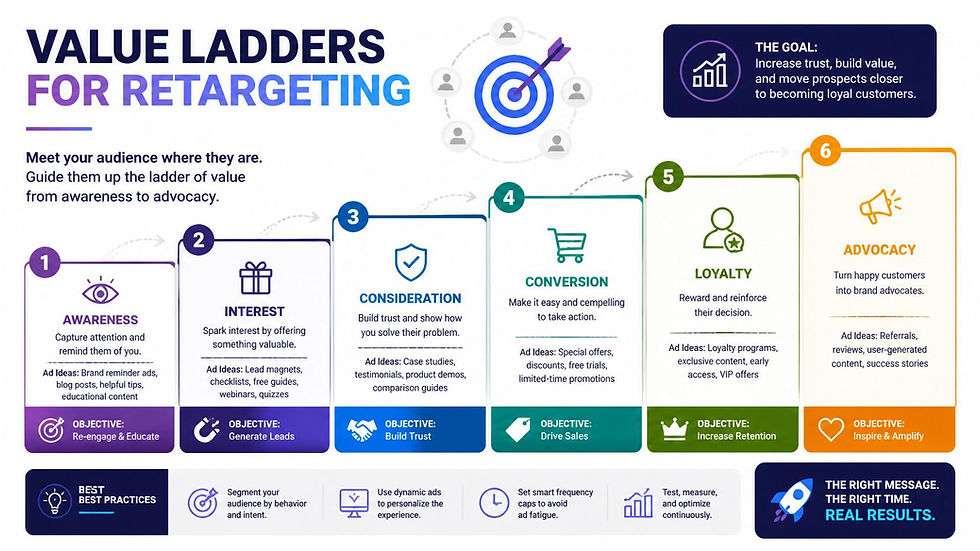
15. Mismanaging Retargeting Campaigns
The Mistake: Bombarding users with irrelevant or excessive retargeting ads.
Why It Matters: Aggressive retargeting can annoy users and harm brand perception.
How to Avoid It:
Cap frequency for retargeting ads to avoid oversaturation.
Segment retargeting audiences based on behavior and intent.
Deliver personalized messaging that aligns with the user’s stage in the funnel.
PPC campaigns can deliver exceptional results—but only when managed with precision and care. By avoiding these common pitfalls and implementing the strategies outlined above, marketers can maximize ROI, reduce wasted spend, and build successful campaigns that drive long-term growth.
Remember: success in PPC advertising is not about perfection but continuous learning and optimization. Stay agile, monitor results, and refine your approach to stay ahead of the competition. if you need any help with your PPC campaigns or any other digital marketing services get in touch with us at connect@digitaldreamworksstudio.com


Comments