
Understanding PPC Advertising: 25 Essential FAQs for Beginners
- Sammy
- Aug 16, 2024
- 5 min read


If you’re dipping your toes into the world of digital marketing, you’ve probably heard about PPC (Pay-Per-Click) advertising. It’s a powerful tool that can help you reach your target audience and drive traffic to your website. But if you’re new to the game, PPC can feel like a bit of a mystery. Don’t worry—you’re not alone! To help you get started, we’ve compiled a list of 25 frequently asked questions about PPC advertising, along with straightforward answers. Let’s dive in!
1. What Exactly Is PPC Advertising?
PPC, or Pay-Per-Click advertising, is a model where you pay each time someone clicks on your ad. It’s a way to buy visits to your site instead of trying to earn them organically. Think of it as a shortcut to getting in front of your audience.
2. How Does PPC Work?
PPC works by bidding on keywords related to your business. When someone searches for those keywords, your ad might appear in search results or on websites. You only pay when someone clicks on your ad, making it a cost-effective way to attract visitors.
3. Where Can I Run PPC Ads?
Some of the most popular platforms for PPC advertising include Google Ads, Bing Ads, Facebook Ads, Instagram Ads, LinkedIn Ads, and Twitter Ads. Each platform has its strengths, so the best choice depends on where your audience hangs out.
4. How Much Will PPC Cost Me?
The cost of PPC can vary widely. It depends on factors like your industry, the competitiveness of your keywords, and the platforms you use. Some clicks might cost a few cents, while others could be several dollars. The good news is you can set your own budget.
5. What Are Keywords, and Why Are They Important?
Keywords are the words or phrases that trigger your ad to appear when someone types them into a search engine. Choosing the right keywords is crucial because it determines who sees your ads.
6. What Is a Quality Score in Google Ads?
Google Ads uses a Quality Score to measure how relevant and useful your ad is to users. A high Quality Score can lower your costs and improve your ad position, so it’s worth paying attention to.
7. How Do I Choose the Right Keywords?
To choose the right keywords, you’ll want to think about what your customers are searching for. Use tools like Google Keyword Planner to research keywords that have a good balance of search volume and competition.
8. What Are Negative Keywords?
Negative keywords are words you add to your campaign to prevent your ads from showing up for irrelevant searches. For example, if you sell luxury watches, you might want to add "cheap" as a negative keyword.
9. What Is a Landing Page?
A landing page is the page on your website where users land after clicking your ad. It’s designed to convert visitors into customers, whether by making a purchase, signing up for a newsletter, or some other action.
10. How Do I Measure the Success of My PPC Campaign?
You can measure success through various metrics like Click-Through Rate (CTR), Conversion Rate, Cost Per Conversion, and Return on Ad Spend (ROAS). These metrics help you see what’s working and what needs tweaking.
11. What Is a Conversion in PPC?
A conversion is when a user takes a desired action after clicking on your ad. This could be anything from making a purchase to filling out a form or subscribing to your service.
12. What’s the Difference Between PPC and SEO?
PPC involves paying for ads to appear in search results, while SEO (Search Engine Optimization) is about optimizing your website to rank organically in search results. PPC gives faster results, but SEO is a long-term investment.
13. Is PPC Advertising Good for Small Businesses?
Absolutely! PPC can be especially effective for small businesses because it allows for precise targeting and you can control your budget. It’s a great way to get quick results without breaking the bank.
14. How Soon Will I See Results from My PPC Campaign?
One of the great things about PPC is that you can start seeing results almost immediately after your campaign goes live. However, it might take some time to optimize your campaigns for the best results.
15. What Is A/B Testing in PPC?
A/B testing, also known as split testing, is when you create two versions of an ad to see which one performs better. It’s a fantastic way to optimize your ads by making data-driven decisions.
16. How Can I Improve My PPC Campaigns?
You can improve your campaigns by refining your keyword list, writing compelling ad copy, optimizing your landing pages, using negative keywords, and regularly analyzing your performance data.
17. What Is Remarketing in PPC?
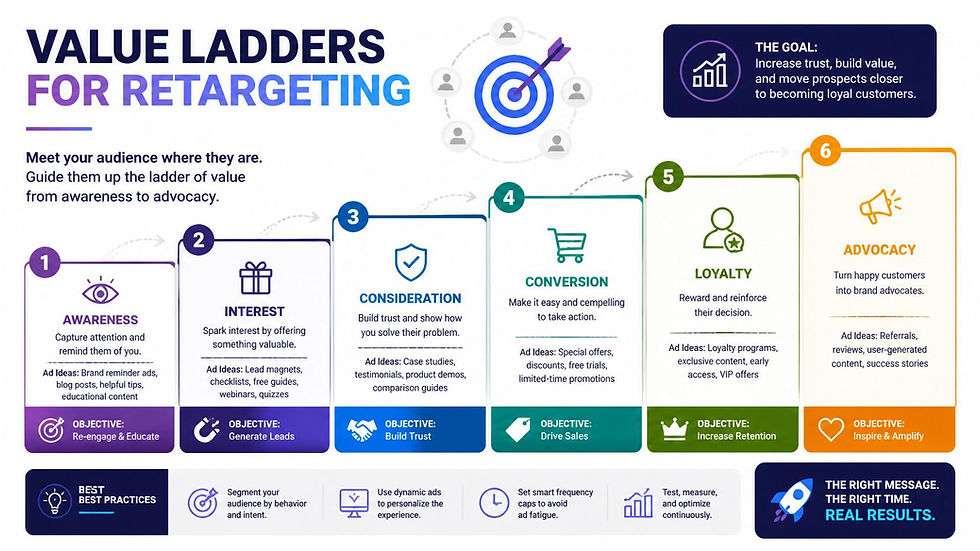
Remarketing (or retargeting) is a way to re-engage users who’ve previously visited your website but didn’t convert. It’s like giving them a gentle nudge to come back and finish what they started.
18. What Are Shopping Ads?
Shopping ads are product-based ads that appear in search results, usually with an image, price, and product details. They’re particularly effective for eCommerce businesses looking to showcase their products.
19. What Is Ad Rank?
Ad rank is a value that determines the position of your ad in search results. It’s based on your bid amount, Quality Score, and the context of the search. A higher ad rank means better visibility.
20. How Do I Set a Budget for My PPC Campaign?
Setting a budget involves considering your overall marketing goals, the cost of clicks in your industry, and how much you’re willing to spend to acquire a customer. It’s wise to start small and scale up as you see results.
21. What Are Display Ads in PPC?
Display ads are visual ads that appear on websites, apps, or videos across the web. They can include images, videos, or rich media and are great for building brand awareness.
22. How Is Social Media Advertising Different from PPC?
While PPC typically refers to search engine ads, social media advertising involves placing ads on platforms like Facebook, Instagram, and LinkedIn. Social media ads allow for highly targeted campaigns based on user demographics, interests, and behaviors.
23. What Is a Bid Strategy in PPC?
A bid strategy determines how you pay for interactions with your ads. Common strategies include cost-per-click (CPC), cost-per-thousand-impressions (CPM), and cost-per-acquisition (CPA).
24. Can I Run PPC Campaigns Internationally?
Yes, PPC campaigns can be targeted to specific countries, regions, or languages. This flexibility allows you to reach international audiences with ease.
25. What Are Common Mistakes to Avoid in PPC Advertising?
Some common mistakes include targeting too broad an audience, neglecting to use negative keywords, not optimizing your landing pages, ignoring mobile users, and failing to monitor and adjust your campaigns regularly.
PPC advertising can be a powerful tool in your digital marketing toolkit, but it requires careful planning and ongoing management to be effective. By understanding the basics and avoiding common pitfalls, you can create PPC campaigns that drive meaningful results for your business.
If you need help with PPC campaigns across platforms get in touch with Digital Dreamworks Studio and let us help you craft the perfect ppc campaign.


Comments