
Understanding User Behavior for Better Conversions


In the world of digital marketing, there's one truth that stands above the rest: If you don't understand your users, you can't convert them. It's that simple.Understanding User Behavior for Better Conversions Think about it. Every click, every scroll, every form filled (or abandoned) is a clue into what your users are thinking. It's like being a detective in your own business. The better you "read the signs," the more power you have to guide users exactly where you want them to go—toward conversion.
In this article, we’re going deep into understanding user behavior, why it matters, the methods to study it, real-world examples, and how you can translate insights into real, measurable results.
Let's get into it.
Why Understanding User Behavior Matters: Understanding User Behavior for Better Conversions
Before we even talk about "how," let's talk about "why."
Your website isn't a magic button that automatically makes people buy, subscribe, or sign up. It's a path. If the path isn't clear, smooth, and appealing, users will get lost, bored, frustrated—and leave.
When you understand user behavior, you can:
Identify where users are dropping off.
Discover what captures their attention.
Uncover what holds them back from converting.
Pinpoint opportunities to delight and surprise them.
Bottom line? Understanding user behavior lets you make smarter decisions, faster.
Key Concepts in User Behavior
Before we jump into tools and techniques, let's break down a few important concepts:
1. User Intent
Every visitor has a reason for being on your website. Maybe they're researching. Maybe they're ready to buy. Maybe they're just curious.
Understanding intent helps you serve the right content at the right time.
Informational intent: Seeking information.
Navigational intent: Looking for a specific brand or website.
Transactional intent: Ready to make a purchase or complete a specific action.
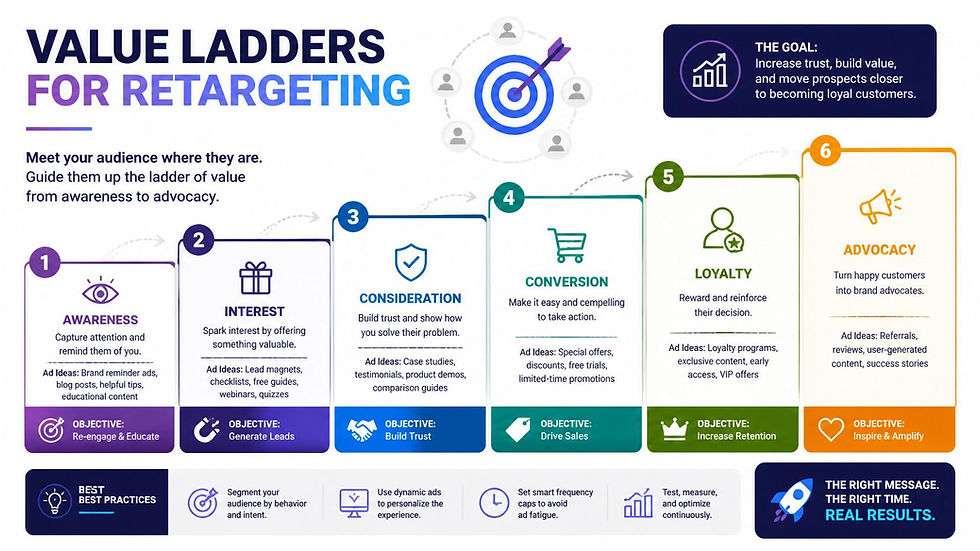
2. User Journey
No one simply "arrives" at a website and immediately buys something. There’s a process:
Awareness
Interest
Consideration
Conversion
Retention
Mapping this journey helps you anticipate needs at every stage.
3. Friction Points
These are the little (or big) obstacles that make users abandon a website before completing an action. Could be slow load times, confusing navigation, poor mobile experience, or unclear messaging.
4. Motivation vs. Anxiety
A powerful model from behavioral science suggests that conversion happens when motivation outweighs anxiety. Your job? Boost motivation and reduce anxiety.
Methods to Understand User Behavior
Now, let’s get practical. How do you actually "understand" behavior?
1. Website Analytics (Quantitative Data)
Tools like Google Analytics, Hotjar, and Mixpanel tell you what is happening:
Where users come from
How long they stay
What pages they view
Where they exit
Conversion rates across different devices
2. Heatmaps
Heatmaps show visually where users click, scroll, and hover on your website. They’re gold for spotting patterns.
Look for:
Areas getting lots of attention (good!)
Important elements getting ignored (bad!)
3. Session Recordings
Want to watch real people navigating your site? Tools like Hotjar and FullStory record anonymized user sessions.
You'll learn:
Where users hesitate
Where they rage-click
How they navigate complex flows
4. Surveys and Polls
Sometimes, the best way to know what users are thinking is… to ask them.
On-site surveys, exit polls, and post-purchase questionnaires reveal motivations, concerns, and satisfaction levels.
5. A/B Testing
You don't have to guess what will work—you can test it.
Create two versions of a page, ad, or CTA and measure which one converts better.
A/B testing gives you concrete data to make better decisions.
6. Customer Interviews
Especially in B2B or high-ticket sales, direct conversations with customers can uncover rich insights you won't get from numbers alone.
7. Usability Testing
Ask real users to complete tasks on your website while thinking aloud. Watch where they struggle.
Tools like UserTesting.com can help if you don't have in-house users.

Common Patterns in User Behavior
After analyzing hundreds (if not thousands) of sites and user behaviors, a few universal patterns emerge:
1. Users Scan, They Don't Read
Big walls of text? Kiss your conversions goodbye.
Use:
Short paragraphs
Bullet points
Bold headings
Images and videos to break up text
2. First Impressions Matter (a Lot)
Users form an opinion about your site within 0.05 seconds. Yes, you read that right.
Invest heavily in:
Clean, professional design
Fast load times
Clear messaging above the fold
3. Choice Overload Hurts Conversions
Too many options cause paralysis. Focus your pages around one key action you want users to take.
4. Trust is Crucial
Users are skeptical. Trust signals (like reviews, testimonials, badges, clear contact info) boost credibility.
5. Mobile Behavior Is Different
Mobile users behave differently than desktop users. Smaller screens = less patience, faster exits.
Ensure:
Mobile-first design
Fast load times
Clickable (not tiny) buttons
How to Apply Behavior Insights for Better Conversions
Alright, you've gathered the data. Now what?
Here's how to turn those insights into higher conversions.
1. Simplify Navigation
If users can’t find what they need quickly, they’re gone.
Tips:
Use clear, concise menu labels.
Keep primary navigation minimal (5-7 options max).
Add a search function for larger sites.
2. Optimize CTAs
Calls to Action (CTAs) should be impossible to miss and easy to understand.
Make CTAs visually distinct.
Use action words ("Get Started," "Claim Your Offer," "Book a Call").
Test different placements (above the fold, mid-page, end-page).
3. Personalize User Experiences
Based on behavior, you can personalize offers, content, and journeys.
Examples:
"Recommended for you" product suggestions.
Tailored emails based on past purchases.
Dynamic landing pages based on ad source.
4. Reduce Anxiety
Address fears upfront.
Use:
Money-back guarantees
Free trials
Secure checkout badges
Clear FAQs
5. Streamline Forms
Every extra field you add decreases completion rates.
Ask only for essential information. Break long forms into steps if necessary.
6. Create Urgency and Scarcity
Humans are motivated by FOMO (Fear of Missing Out).
Tactics:
Limited-time offers
Low-stock warnings
Countdown timers
But always be honest. Fake scarcity kills trust.
7. Improve Page Speed
Slow pages = high bounce rates. Period.
Compress images, use fast hosting, and minimize scripts to speed things up.
8. Follow Up After Abandonment
Cart abandonment emails, exit-intent popups, and retargeting ads can recover lost conversions.
Real-World Examples
Let's bring this to life with a few quick examples.
Amazon
Behavior Analysis: Tracks what users view, buy, and search.
Application: Personalized product recommendations that drive 35% of total revenue.
Dropbox
Behavior Analysis: Studied where users got confused during signup.
Application: Simplified the onboarding flow, leading to a 10% increase in conversions.
Booking.Com
Behavior Analysis: Noticed users hesitated on property pages.
Application: Added "only 1 room left" messages and "booked 5 times today" indicators to create urgency.
Pro Tips to Keep in Mind
Always test assumptions. What you think users want may not match reality.
Don’t rely on one data source. Combine quantitative (analytics) and qualitative (feedback) insights.
Remember: Optimizing for users = optimizing for conversions.
Conversion rate optimization (CRO) is a process, not a project. It's ongoing.

At the end of the day, understanding user behavior is about empathy.
You’re not selling to robots. You’re communicating with real humans who have needs, fears, hopes, and distractions.
The more you empathize—and back your empathy with real data—the more conversions you'll win.
So, take the time. Dive deep. Study your users like your business depends on it.
Because it does.
Ready to transform your conversion rates? Start by understanding your users better today.
Ready to Boost Your Conversions?Let’s dive deep into your user behavior and turn insights into real growth! 🚀
👉 Contact us today:📧 Email: connect@digitaldreamworksstudio.com🌐 Website: www.digitaldreamworksstudio.com
Let’s build smarter, more profitable customer journeys together!


Comments